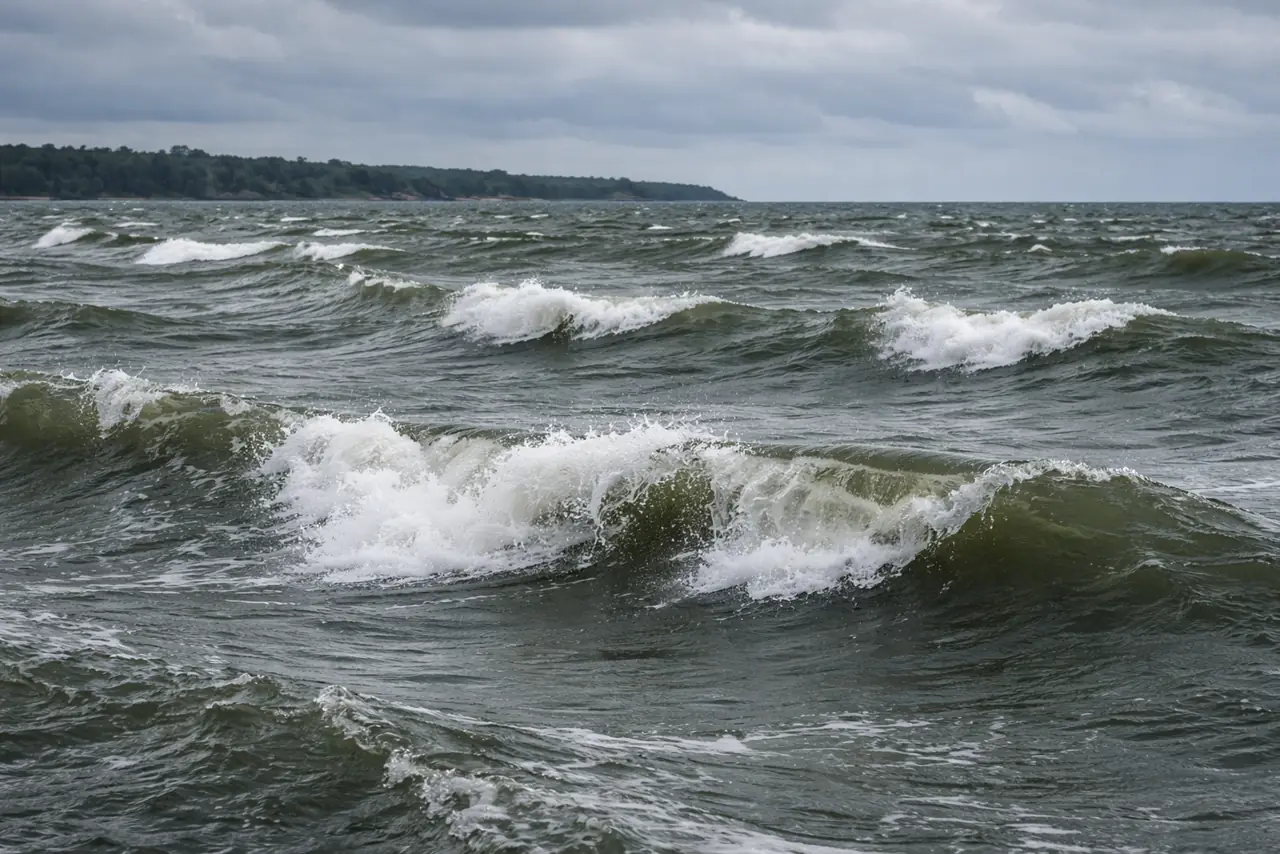
Rough water turns a basic boating day into a judgement day. The hull feels different, passengers move differently, gear shifts, visibility drops, and every control input matters more. What felt fine in the marina can become punishing or dangerous a few minutes later on open water.
Ontario boaters see that fast, especially on the Great Lakes. Wind can stack nasty short-period chop, and cold water means mistakes carry more consequence. The first skill in rough water is not pounding through it. It is recognizing what kind of water you are actually dealing with and whether you should even be there.
This guide assumes you are already out there or need to make a conservative run home. The goal is not bravado. It is to reduce impact, stay in control, and know when the real best move is to turn around, slow down, or wait it out.
<div class="stat-card">**1**<span>Winning priority: control</span></div><div class="stat-card">**Zero**<span>Respect gained from pounding the crew</span></div></div>Read the wave pattern before you attack it
Not all rough water is the same. Long rollers behave differently than tight stacked chop. Quartering seas feel different than head seas. The wave period, direction, and steepness matter as much as headline height. Two-foot waves can be miserable if they are short and square. Three-foot rollers can be manageable if the period is longer and your hull likes that shape.
Take a minute to observe. Which way are the sets moving? Are there reflections bouncing off breakwalls or cliffs? Is traffic-generated wake mixing with wind chop? The boat ride improves as soon as you stop treating the whole lake as one texture and start reading the pattern.
That observation also tells you whether a direct course is smart. Sometimes the shortest line home is the worst possible ride.
-
Look for rhythm, not just height.
-
Notice whether impact is coming bow-on, quartering, or from the beam.
-
Identify safer lee areas or alternate routes before committing.
Use speed to maintain control, not to prove something
The wrong speed in rough water usually shows up in your passengers' knees first. Too fast and the boat pounds, launches, and slams. Too slow and you may lose steering authority or wallow uncomfortably in the troughs. The right speed is the one where the hull stays composed and predictable.
You may need to come off plane. You may need to stay on a modest plane. You may need to vary speed section by section. That flexibility is a skill, not weakness. The operator who stubbornly tries to hold one speed because that is what worked an hour ago is not reading the water anymore.
If objects are bouncing, people are bracing hard, or the bow is stuffing unpredictably, you have already learned that your current speed is wrong. Listen to the feedback early.
Angle is often the real answer
Many rough rides improve immediately when the boat stops taking the waves head-on. A slight angle can soften impact, reduce spray, and keep the hull from slamming. The exact angle depends on the boat and the sea state, but the principle is simple: drive the water you have, not the line you wish you had.
Of course, angle comes with tradeoffs. Quartering can introduce side motion and require more steering attention. Following seas can feel easy until the stern gets pushed awkwardly. Beam seas can be uncomfortable and tiring. That is why active assessment matters more than rigid doctrine.
Test adjustments in small increments. Change angle, feel the boat, then decide again. Rough water rewards the operator who is constantly listening through the hull.
Trim for control and comfort
In rough water, many boats respond better with the drive trimmed in somewhat to keep the bow more planted and improve the way the hull meets the next wave. Too much trim out can make the boat feel loose and increase pounding or slapping.
That said, burying the bow carelessly is not the answer either. Trim is a fine adjustment layered on top of angle and speed. Use it to tune the ride, not as a magic fix for a bad route or bad decision to remain exposed.
Make one trim change at a time and give the hull a chance to answer. You are trying to reduce violence and regain composure, not constantly fiddle.
Passenger management matters more in ugly water
Rough water turns people into moving weight and potential injury points. Get everyone seated low and secure if possible. Make sure hands are not in dangerous pinch areas and loose items are stowed. Tell passengers what you are about to do if you are changing course or speed substantially.
A calm crew helps the operator stay calm. A panicked or standing crew makes every correction harder. If somebody is cold, frightened, or physically struggling with the ride, that becomes part of the navigation decision. Toughing it out is not always the smart move.
In shoulder season, rough water plus cold spray can accelerate fatigue fast. Your crew condition is part of the weather picture.
When to turn around, seek shelter, or wait
One of the most mature boating skills is calling the audible early. Maybe the exposed crossing is no longer worth it. Maybe the lee shoreline offers a better line. Maybe you should tuck into a harbour, bay, or river mouth and reassess. Maybe you simply wait.
Many incidents begin with operators knowing conditions are getting outside their comfort zone but continuing because the destination is emotionally sticky. Fish are biting. The cottage is ahead. Friends are waiting. None of those reasons matter if the lake has taken away your margin.
Give yourself permission to change the mission. That is how experienced boaters keep boating year after year.
A simple rough-water process
First: reduce ego. Second: reduce speed to a sane starting point. Third: change your angle and watch the hull response. Fourth: adjust trim modestly. Fifth: re-evaluate the route entirely. This process sounds basic because it is basic. Most rough-water drama comes from skipping straight to stubbornness instead.
Keep your scan outside. Watch the next few waves, not just the one under the bow. Listen for hull impact tone. Feel whether the boat is landing flat, soft, or with a hard slap. A rough-water operator is constantly taking in those cues.
The more conditions worsen, the simpler your priorities become: maintain control, protect people, preserve the boat, and get to a safer place.
Bottom line
Rough water is a negotiation, not a fight. The lake shows you what it will allow. Your job is to read that honestly, choose the least stupid path, and stay humble enough to abandon the original plan when the answer changes.
</div>